


Choosing sustainable wood furniture, especially when custom-building your Singapore home, avoids hidden costs like supporting rainforest destruction and exposure to toxic finishes. It's about smarter, healthier living that respects our limited resources and tropical climate. Here’s how to get it right locally .
Choosing Wood? Sustainability Isn't Just About the Tree
It's tempting to focus only on the wood type. True sustainability in Singapore's context – especially for HDB flats or BTO renovations – digs deeper:
Source: Where did the wood really come from? Is the jungle cut down legally?
Manufacture: How was the wood treated and glued? Veneered vs solid?
Lifecycle: Will it warp in our humidity? Can pieces be replaced later?
Local Impact: Supporting Singapore-based craftsmen reduces transport carbon.
Example: A Jalan Besar carpenter imports cheap 'solid wood' only later found to involve Borneo timber mafia. The cabinet arrives, smells off – cheap, toxic Urea-Formaldehyde glue used inside. Within months, humid Singapore air makes it warp.
Why Singapore Homeowners Truly Need Sustainable Choices
It's not just hugging trees here. It hits your home and hip pocket:
Tropical Humidity: Cheaper, badly sourced wood warps or gets mouldy fast under AC cooldowns. Requires replacements – waste and expense.
Indoor Air Quality: New BTO flat? Veneers bonded with VOC glues release formaldehyde (Group 1 carcinogen - IARC) slowly into your flat air.
Avoid Overspend: People mistake "solid oak Europe" = BEST. Actually, wrong choice for our climate. Over-spec, overspend. COV not required!
Council Directives: Govt grants for 'greener' fitouts in Commercial needs forward-thinking for residents too. Staying ahead gains broader value.
Sustainably Made Cabinets - How Singaporeans Can Do It Right
Skip common mistakes like insisting on Solid Oak imported dry timber. Top brands (like ours) build sustainably clever:
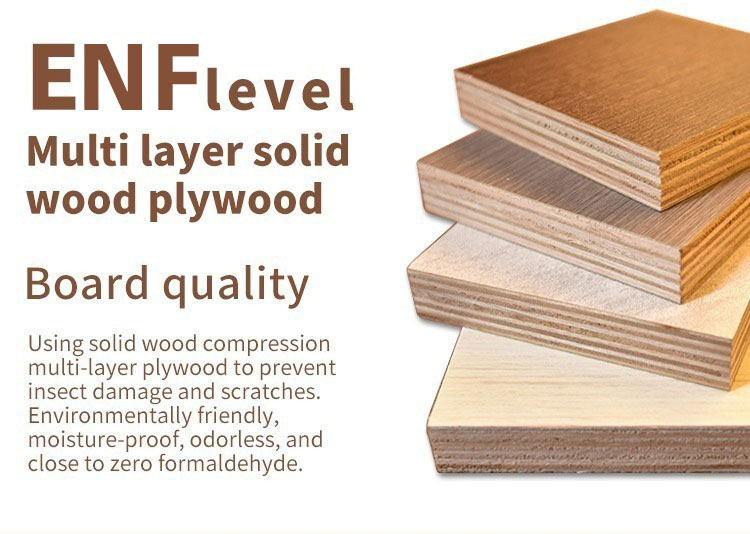
Certified Timber ONLY: Heavy ask ENF certs. No vagueness. Due diligence on papers key.
Low-VE Finishes & Adhesives: Avoid solvent-heavy lacquers. Waterbornes improve over time. Formaldehyde-free E0 glues mandatory.
Design for Hot+Wet Air: Wider expansion gaps. Moisture barriers inside our wooden wardrobe frames even AC runs nearby – protects your cashmere!
Long Warranty: Firms standing behind their build quality .
Common Local Myths About Sustainable Wood - BUSTED!
"Sustainable means imported European oak only": FALSE. That oak drypack travels far = footprint. Good smart ply needs consideration.
"Solid wood furniture is ALWAYS premium sustainable furniture in SG": UNTRUE. Tropical timber requires legal proof. Solid construction isn't define sustainable materials base ensured non-toxic.
"Recycled wood furniture in Singapore is scruffy": SOMETIMES YES BUT.
"I can't afford sustainable custom work over cheap particle boards": SHORT-TERM VIEW ONLY. Factor replacement cost potentially early or health impact even slightly over time.
Think bigger savings perspective.
What should I ask before signing a contract?
Crucial Singaporean filtered questions below:
Can I see the actual supply cert from your current batch wood door fronts supplied to HDB jobs?
Are wood adhesives used hitting ENF formal standard? Who supplies it?
How do you specifically account expanding timber gaps years five-seven Singapore humidity? Can I see warranty clauses from that?
Wood Furniture Sustainability in Singapore: Why It Matters & Smart Choices for Your HDB/BTO


