


Confused by the ENF Standard for furniture? If you're looking for Singapore woodwork customisation or Singapore whole-house customisation cabinets and built-ins, ENF (Emission No Added Formaldehyde) is Singapore's strictest standard for wood products. Governed by NEA under the Green Mark Scheme, ENF certified items guarantee ultra-low formaldehyde emissions (≤0.005 ppm), crucial for healthier HDB/BTO living. Ignoring it risks health issues linked to poor indoor air quality.
What EXACTLY is the ENF Standard? It's Not Just "Low Formaldehyde"
More Than Just a Label - It's Mandatory Compliance
Forget vague terms like "eco-friendly wood". The ENF Standard is a mandatory requirement set by Singapore's National Environment Agency (NEA). It specifically targets formaldehyde emissions from composite wood products (think plywood, particleboard, MDF) used in panels, cabinets, built-ins, and furniture sold here. Think of it like an LTA inspection sticker, but for your home's air quality!
Why ENF Matters CRUCIALLY for Singapore Homeowners?
Your Family's Health Isn't Negotiable
Singapore homes are largely HDBs, BTOs, or condos – enclosed spaces where air pollutants get trapped. Formaldehyde is a known IARC Group 1 carcinogen. Symptoms from elevated levels range drastically:
Immediate: Eye/nose/throat irritation, headaches, respiratory issues (especially bad for kids, elderly, allergy sufferers). Jane Tan, who had her Kallang HDB BTO wardrobe installed just last year, shared how persistent coughing vanished after replacing non-compliant panels with ENF-certified ones.
Long-Term: Linked to chronic respiratory problems, asthma exacerbation, and certain cancers. Singapore's Sustainable Building Council highlights VOCs as a top indoor air pollutant concern.
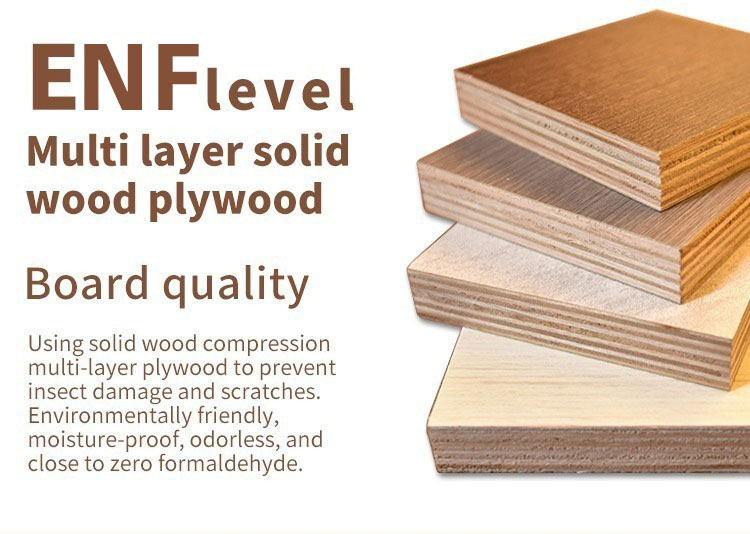
ENF Means REAL Differences in Daily Life
Peace of Mind: Knowing your Singapore custom carpentry or cabinets aren't slowly poisoning your family. Hard to put a price on that.
Addressing Pain Points: Avoiding health scares, especially those awful "new furniture smells" that linger for months (often a sign of VOC off-gassing, including formaldehyde).
Compliance & Warranty: Non-ENF compliant products don't meet NEA regulations. Using them might void warranties or cause issues during renovations funded by government grants requiring eco-compliance. Also impacts COV calculations indirectly through health outcomes.
Better Living: Cleaner air = better sleep, focus, and overall well-being. It's core value, not just a tick-box.
Getting Truly ENF Compliant Furniture: How to Avoid Scams?
Key Steps During Your Singapore Custom Furniture Consultation
Most Singapore woodwork specialist firms should offer ENF standard panels. But here's the kicker: Some claim "E0," "FSC," or "CARB compliant," which are not substitutes for ENF. Here's your verification checklist:
Demand the Certification: Ask explicitly for the NEA-compliant ENF certification for the exact board type used in your project (e.g., supplier cert for the board, not just the cabinet maker). Reputable Singapore whole-house customisation firms like UTL Premium or Antonio Collection readily provide this.
Know the Plastics: Besides particleboard/MDF cores, ENF also applies to wood-plastics composites used in many modern panel designs.
Ask About Adhesives: ENF primarily governs the board substrate. However, where does the formaldehyde come from? Often, it's the resins and glues used to bind the wood fibres. Reputable firms ensure certified laminates & coating adhesives also meet low VOC criteria.
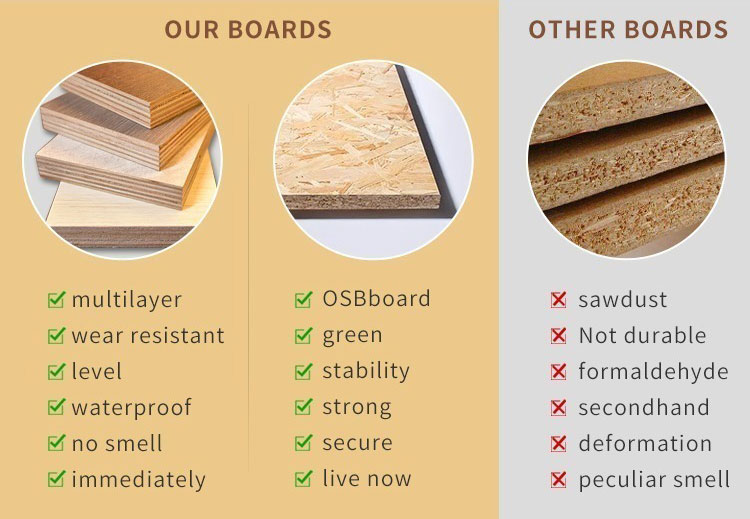
Biggest Mistakes Singapore Homeowners Make,the ENF FAQ Sheet You Actually Need
Singapore's ENF Standards:
Q: Does ENF mean ZERO formaldehyde?
A: No, all wood naturally contains trace formaldehyde. "No Added Formaldehyde" (ENF) means no extra formaldehyde resins were used. Emissions are strictly kept extremely low (≤0.005 ppm) through superior manufacturing.
Q: Where do I see ENF required?
A: Primarily bonded wood products sold here: Cabinetry, built-in furniture, plywood, particleboard, fibreboard. If you're doing Singapore custom carpentry, ENF boards are essential.
Applications & Certification
Q: Is ENF only for carpentry? What about sofas, beds?
A: The standard applies to wood panels. Furniture frames containing ENF-covered wood (e.g., laminated particleboard in a bed base) should comply. "Solid wood" furniture without composite panels might not fall under ENF unless adhesives locally applied increase emissions.
Q: Can I get global certifications instead (like CARB)?
A: Maybe, BUT always confirm it actually meets Singapore's ENF limits as stated in NEA publications. ENF is a Singapore standard; others might be benchmarked against it but have different testing regimes. When in doubt, insist on ENF.
Buying Tips
Q: How much more expensive IS ENF?
A: Expect a moderate premium (could be 10-30%, depends).
Q: What's the biggest red flag from a seller?
A: Vague answers like "Oh yeah, it's low formaldehyde." Ask directly: "Is this ENF certified per Singapore regulations?" Demand specifics. Walk away if they evade.
The ENF Furniture Standard in Singapore: What Every Homeowner Must Know


