


"Regret that carpentry job that bubbled and warped after just a monsoon season?" You're not alone in Singapore. Choosing budget-friendly options for built-in furniture can seem tempting, especially when outfitting an HDB flat or a private apartment. However, the island nation's relentless tropical humidity (averaging over 80% year-round) is unforgiving to low-quality materials and construction practices. This look at sustainable whole-house customization focuses squarely on why investing in the right carpentry materials isn't just a luxury—it's a necessity for longevity and performance in Singapore's climate. Let’s explore the materials proven to endure.
The High Cost of Cheap: Why Savings Now Lead to Spending Later
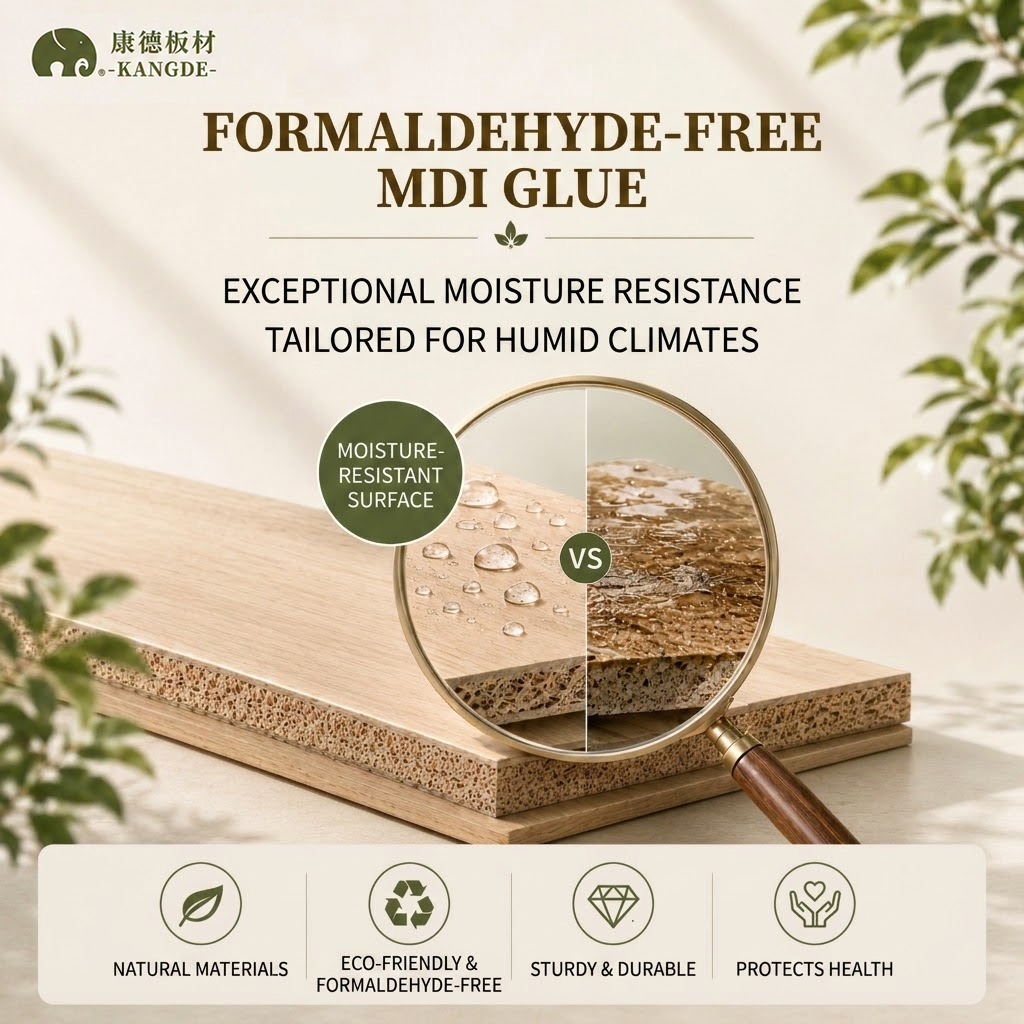
That sleek kitchen cabinet or spacious wardrobe might look perfect on installation day. But when tropical humidity takes its toll, the hidden costs become painfully visible. Inferior timber boards are highly susceptible to moisture absorption. Standard particleboard or MDF lacking proper treatment can swell significantly even with minor water spills or prolonged exposure to humid air. This leads to warped doors that no longer close properly and peeling laminates—those frustrating bubbles near sink edges or along cabinet bases in wet areas. Beyond looks, structural integrity suffers; softwood carcasses or poorly constructed frames can sag under the weight of belongings over time. The initial allure of a lower price fades quickly when facing the expense and disruption of early replacements or constant repairs – a nightmare for homeowners, whether in new BTO flats or older resale units seeking renovation.
Furthermore, moisture issues create an ideal environment for mould and mildew growth. These microscopic invaders thrive on damp surfaces within poorly ventilated cabinets, especially in deep storage areas or humid corners of bathrooms. Besides unsightly stains and musty smells that are tough to eliminate, they pose potential irritants, affecting indoor air quality. Staff at Singapore furniture workshops frequently witness the aftermath of such choices: poorly constructed joinery adds to landfill waste much sooner than expected. Opting for durable materials from the start is more than a design choice; it’s a practical, cost-effective approach to the realities of living here.
Champions of Humidity Resistance: Proven Materials for Singapore Homes
So, what materials withstand Singapore's constant battle with moisture? Investing upfront in these solutions ensures your custom furniture lasts.
Marine-Grade Plywood: This isn't your standard plywood. Engineered specifically for wet conditions, it features water-resistant phenolic glue bonding every single layer (veneer). When used as the structural carcass for cabinetry – kitchens, vanities, even high-humidity storerooms in landed properties – it provides exceptional resistance to swelling and warping. Combined with quality laminates or compact laminates (HPL) that seal all edges rigorously, this offers robust protection. The cross-grained construction adds dimensional stability, crucial for maintaining the precise measurements essential for smooth-moving drawers and doors even years down the line.
Moisture-Resistant (MR) MDF/Engineered Wood: For areas with less direct water contact but still needing humidity resistance, such as living room media units, wardrobes in air-conditioned bedrooms, or study desks, MR MDF is a solid choice. These boards are manufactured with resins that offer far greater resistance to moisture absorption compared to standard MDF, which acts like a sponge. They provide an excellent, smooth substrate for veneers or laminates when constructing panel doors or internal partitions within wardrobes.
Hardwood Framing & Joints: When building sturdy shelves – especially long spans in living areas or hefty storage systems – or constructing load-bearing frames for platform beds, incorporating kiln-dried hardwoods is crucial. Woods like oak or teak possess inherent density and natural resistance to moisture movement, minimising the risk of twisting or bowing that can happen with softer woods or metal under heavy loads. Reinforcing joints with solid timber posts or supports greatly enhances the overall longevity of the piece, crucial for pieces supporting tech habits.
Compact Laminate (HPL) & UV-Resistant Finishes: The surface layer is critical. Compact laminates (High-Pressure Laminates designed for heavy use) offer impervious surfaces, ideal for all cabinet fronts and work surfaces in Singapore homes. They resist stains, scratches, heat, and critically, moisture penetration. For solid wood elements, specifying UV-cured finishes or PU paints creates a tougher, non-porous barrier against vapour and spills compared to traditional lacquers. This prevents moisture ingress that causes warping below the surface.
Beyond the Board: Construction & Design Choices Matter
Selecting the best materials is essential, but how they're assembled is equally vital for enduring humid conditions. Cutting corners during fabrication sabotages even premium materials.
The Imperative of Proper Sealing: Every exposed cut edge of MDF or plywood is a vulnerability. Without meticulous sealing using compatible edge banding strips (PVC or ABS are preferred over cheap melamine) and water-resistant primers and paints applied specifically on those cut edges, moisture finds its way inside. This leads directly to swelling at the edges – that visible "lip" that ruins the sleek look and function. Reputable carpentry workshops emphasize sealing as a non-negotiable step, often applying sealant before final assembly.
Ventilation & Drainage Design: Acting against humidity also means intelligent design features. Including ventilation holes or slatted features in cabinet bottoms preventing enclosed spaces (like sink cabinets or vanity units) allows air circulation, preventing stagnant, damp air. For cabinetry in unavoidable wet zones, such as directly under wet area sinks, incorporating a robust waterproof tray lined within the base cabinet offers a last line of defence against leaks or condensation buildup, safeguarding the structure even when minor mishaps occur. This design foresight is key.
Why You Should Avoid Cheap Carpentry: Materials That Last in Singapore’s Humid Weather


