


How to Incorporate Seamless LED Lighting into Your HDB Custom Wardrobes?Imagine waking up in your Singaporean home. As you open your wardrobe doors in the soft morning light, a gentle glow automatically illuminates your clothing precisely where you need it. No fumbling for switches in dark corners or shadowed areas. This seamless integration of light and storage isn't science fiction; it's a tangible upgrade possible in your HDB flat through innovative wardrobe customization. Incorporating seamless LED lighting into your HDB custom wardrobes elevates both functionality and ambiance, transforming a simple storage unit into a sophisticated and practical feature in your highly-valued living space. With design trends leaning heavily towards cleaner lines and integrated technology in 2024, understanding how to achieve this sleek lighting solution perfectly and efficiently has become a key enhancement for savvy homeowners.
The Essential Guide to LED Lighting Placement for HDB Wardrobes
Choosing where to place the lighting transforms your wardrobe from basic to brilliant. Focus on strategic areas that enhance visibility without creating harsh glare or unsightly hotspots.
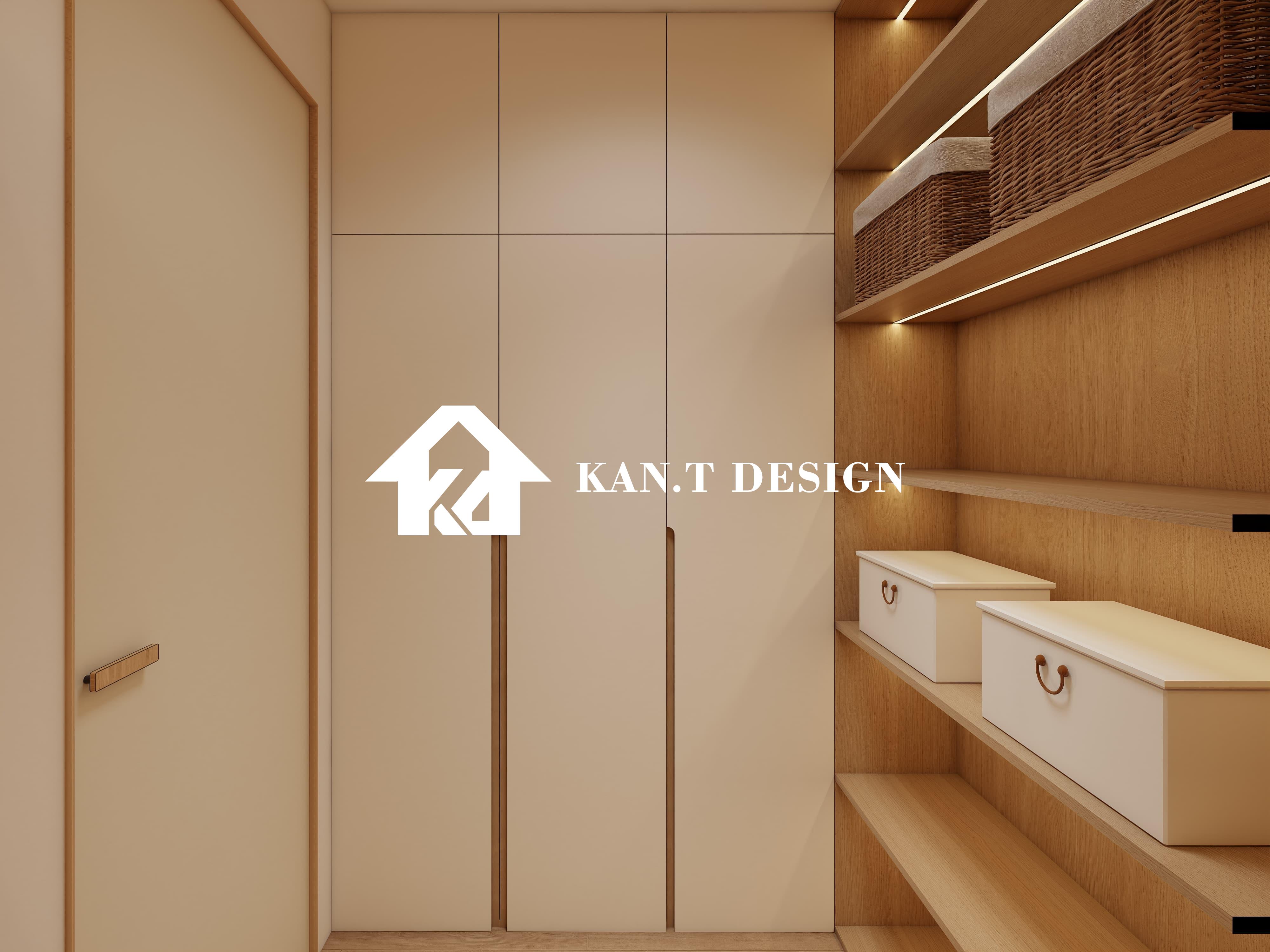
- Recessed Cove Lighting: Install LED strips within dedicated, recessed channels (often called coves) at the top corners near the ceiling line, facing downwards. This creates an ambient wash of light illuminating the entire interior without directly shining into your eyes when opening the doors. Utilize diffuser channels to soften the light and achieve true seamless integration.
- Vertical Uplighting for Tall Units: For wardrobes running from floor to ceiling – maximizing storage in HDBs where space is premium – consider adding slim vertical LED strips concealed within grooves along the inner sides of the frame. This uplights towards the ceiling subtly, adding a sophisticated accent and reducing the coffin-like feel in deep wardrobes.
- Task Lighting in Shelving and Drawers: Place strips underneath drawers for immediate visibility upon opening. Embed narrow LED profiles into the underside of shelves to illuminate clothing hung below or folded items directly above. Motion sensors placed strategically near these areas activate lighting only when needed, saving energy.
- Handled Edge Lighting: For a modern touch, conceal LED strips along the front edges of handles (if using recessed handles with a channel, or specific handle backs). This subtle detail provides low-level guidance at night.
Key Singapore Consideration: Work with your project manager to map proposed lighting runs around all essential utility points like electrical sockets or alarm panels located near your intended wardrobe placement area.
Navigating Singapore HDB Rules and Electrical Standards for Lighting
The beauty of integrated lighting lies in its hidden nature. To achieve this seamlessly and safely, coordinating with registered HDB-approved contractors during the planning stages of your MLC/appointed contractor is non-negotiable. Here's what you need to grasp:
- HDB Electrical Approval: "Any permanent addition, alteration, or rewiring of electrical wiring required to supply lighting integrated into cabinetry requires approval." ([Reference HDB Renovation Guidelines]). Your chosen renovation company handling your custom wardrobes should liaise with their accredited electrician to secure necessary permits for running new circuits or tapping into existing points cleanly and legally.
- Concealed Wiring vs. Visible Connections: The goal is to hide wires. This often involves running cables behind panels, through carved cavities within the carcase timber, to your designated LED driver location (e.g., inside the wardrobe top or a nearby concealed cabinet). Technicians must ensure no wires are accidentally pinched during panel assembly.
- Low-Voltage LED Systems: Most modern, dedicated LED wardrobe lighting systems operate safely on low voltage (12V or 24V DC), meaning their dedicated transformer (driver) plugs into an existing power point. Ensure all low-voltage components (strips, connectors, drivers) carry relevant safety certifications applicable locally.
- Heat Dissipation Planning: While LEDs run cooler than halogen lamps, your designer should consider placing drivers in locations with adequate ventilation within the wardrobe structure, avoiding completely sealed spots or near flammable linens.
Recent Local Insight: The BCA Singapore Green Building Masterplan 2021 drives standards towards electrification and efficiency, making energy-saving LED solutions the responsible choice.
Selecting the Perfect Materials and Hardware for Hidden Lighting
To achieve true seamlessness, selecting the right wardrobe construction materials and specialized lighting hardware is paramount.
Wardrobe Carcase and Profile Selection:
- Material Thickness and Routing: High-Density Fiberboard (HDF) or Premium Particleboard is commonly recommended for its dimensional stability and ease of machining compared to solid timber. An experienced carpenter can rout clean, straight channels to precisely house LED strips and their associated diffusers, ensuring the profile sits flush.
- Dedicated Lighting Profiles: Utilize extruded aluminium profiles specifically designed for LED strip integration. These small extrusions feature a recess that houses the LED strip securely and a milky-white diffuser lens cap (e.g., polycarbonate) that clips over the top, scattering the light evenly to completely mask individual LED points. Profiles designed for specific cutouts match common timber thicknesses.
- Diffusion Quality: The quality of the diffuser lens significantly affects the light output. Opt for higher grades to eliminate the 'dotting' effect and achieve a smooth, continuous glow characteristic of seamless lighting.
Choosing the LED Strip Itself:
- Density (LEDs per Meter): For most wardrobe applications, strips with 60 LEDs per meter provide an ideal balance between brightness and cost. Higher densities (e.g., 120 LEDs/m) offer more even light, especially for shorter viewing distances within a wardrobe.
- Color Temperature: For wardrobes, neutral white LEDs (around 4000K) offer the clearest, most accurate view of colors for clothing selection. Warm white (3000K) provides a warmer ambiance but can slightly distort true colors.
- Brightness (Lumens per Meter): Ensure adequate lumens for visibility. Standard strips are sufficient, avoid excessive brightness.
- IP Rating: While wardrobes are dry environments (IP20 typically suffices), opting for strips encased in a waterproof silicone sleeve (e.g., IP65) offers better protection during cleaning.
How to Incorporate Seamless LED Lighting into Your HDB Custom Wardrobes?


