


How to Plan Custom Carpentry for Pet-Friendly HDB & Condo Homes?Sharing your Singapore home – be it an HDB flat or a condominium – with furry companions brings immense joy but also unique design challenges. Scratches on doors, fur on fabrics, awkward nooks becoming 'hiding spots', and finding room for essentials like litter boxes are common struggles. Smart custom carpentry tailored specifically for pet-owning households is no longer just a luxury; it's increasingly seen as essential for creating a harmonious and manageable living space. This guide dives into the critical considerations and practical steps for planning built-in furniture and cabinetry that caters beautifully to both your aesthetic tastes and your pet's needs.
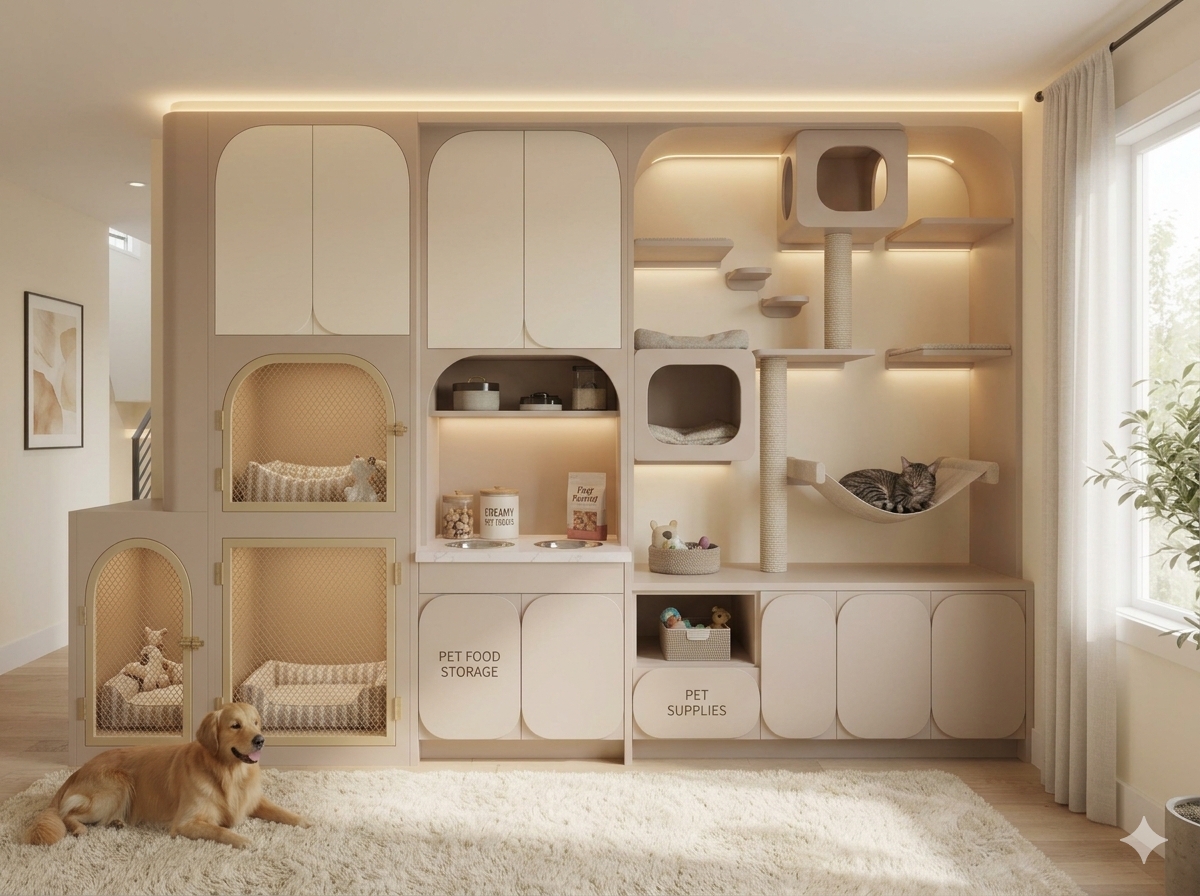
Designing Functional & Safe Storage Solutions
Integrating dedicated spaces for pet supplies early in the planning stage prevents clutter and enhances safety. For Singapore homes, where space is often premium, clever carpentered solutions make a huge difference.
Concealed Essentials: Think beyond the standard cabinet. Designate specific, easily accessible but visually integrated spaces within larger units. A bottom cabinet drawer in the kitchen or utility area can be allocated for food storage. Ensure it seals well to deter curious paws and noses and maintains freshness.
Litter Tray Integration (Condo Focus): Condos, with potentially more bathroom or storage room options, allow for more sophisticated integration. Consider a ventilated, custom-built enclosure within a vanity unit under a bathroom sink or within a dedicated service yard cupboard. Opt for a slide-out, easy-clean tray drawer. Ensure adequate ventilation – like a slatted front panel or integrated exhaust fan – to manage odors. This keeps the tray out of visible spaces and away from high-traffic areas your pet might associate with stress. Remember to measure your specific litter box model for a perfect fit.
Temperature-Sensitive Storage: Singapore's heat and humidity can degrade pet food and medications. When incorporating storage within cabinetry, be mindful of placement. Avoid units directly against warm walls or under hot countertops near cooking appliances. If possible, position pet supply storage in cooler areas of the home.
Selecting & Treating Materials for Durability and Well-being
Choosing the right materials ensures longevity, ease of maintenance, and importantly, the health of your pets.
Surface Resilience:
- Scratch Resistance: Laminate finishes remain a top choice due to their exceptional scratch resistance. Opt for textured laminates which hide potential minor abrasions better than high-gloss finishes which show every mark. For timber enthusiasts, harder woods like Mengkulang or machined bamboo laminates offer greater natural resilience than softer pine or hevea. Specify finishes with enhanced scratch resistance coatings. Avoid easily gouged materials like veneers or soft plastics on lower levels.
- Cleaning Effectiveness: Spills and muddy paw prints are inevitable. Non-porous surfaces like pressure laminate (PL), engineered quartz, or Perspex are highly recommended for high-contact areas like feeding stations, skirting boards on wardrobes, or entryway shoe cabinets. They wipe clean effortlessly without absorbing stains or odors.
Pet-Safe Finishes and Considerations: A critical factor often overlooked is the off-gassing of harmful chemicals.
- Low-VOC Standards: Specify only low-VOC (Volatile Organic Compounds) or zero-VOC paints, stains, and sealants for all projects. Products certified under eco-labels like Singapore's own GenGreen label or international standards like GreenGuard guarantee lower emission levels, crucial for smaller HDB spaces and pets confined indoors.
- Material Stability: Avoid materials that degrade easily under moisture (like poor-quality MDF that swells) or prolonged exposure to saliva. Moisture-resistant boards (MR Board) are the standard base substrate for areas prone to humidity or occasional accidents. Ensure edges and undersides are fully sealed.
- Lead-Free & Non-Toxic: Always confirm paints and finishes are lead-free, even if they seem 'historical' issues. Pets, particularly small animals or birds, are highly sensitive to toxins.
Incorporating Pet Enrichment Features Seamlessly
Modern custom carpentry can elegantly fulfill your pet's behavioural needs, integrating play and rest features into your home's design framework.
Activity Zones Built-in:
- Stairways to New Heights: Isn't it funny how the tiniest kitten decimates your couch while completely ignoring their scratch post? Blame it on location! Simple straighter posts often seem invisible to them. Cats desperately seek high ground for safety and territory. Especially in smaller spaces like HDBs, understandably, installing a cat tree can feel clunky. Instead, consider a much more seamless solution: turning your immaculate carpentry into a functional cat superhighway.
- Vertical Pathways: Discreetly incorporate tiered shelves along walls, connecting furniture pieces. This provides horizontal resting platforms and climbing pathways especially valued by cats. Position these near windows for that coveted 'cat TV.' Ensure surfaces are secure and use stable, grip-friendly materials.
- Hidden Bases with Purpose: The base of a floor-to-ceiling wardrobe or entertainment cabinet doesn't have to be dead space. Design specific lower sections with permeable fronts like wicker panels or grilles. This can become a cozy den for anxious pets or hide a designated scratch pad, effectively using otherwise neglected areas like those awkward corners under sloping condo ceilings.
Prioritizing Placement & Ease of Use:
- Accessible Rest Spaces: Integrate resting spots like low windowsill benches beside key cabinets. These spots naturally attract pets seeking sun and views. Build bedding niches under bay window seats.
- Consider Pet Age & Mobility: Avoid installing numerous features requiring difficult jumps for very young, senior arthritic dogs, or mobility challenged pets. Ensure ramps (if used) have appropriate traction and gradients.
- Intentional Scratch Integration: Rather than an eyesore post, integrate robust scratching posts directly into furniture legs or underneath stable platforms. Weave durable, tightly woven sisal or seagrass around base corners of islands or sturdy side tables. This saves your primary furniture surfaces.
How to Plan Custom Carpentry for Pet-Friendly HDB & Condo Homes?


